| | | The Flower | | Code No.: MPF01 |  | This colourful teaching model was designed specifically for hands-on use with students of all ages. The model is made of resilient, non-toxic EVA foam. Removable pieces stimulate problem-solving skills and develop small motor skills. The detailed teacher's guide includes complete background information, reproducible worksheets, cross-curricular extension activities, assessment ideas and more.
| | 
|
|
|
|
| | | Urban Habitat | | Code No.: BPE-H06 | | This teaching model is designed to introduce students to the habitat of the North American urban environment. It illustrates the major factors that affect this biome, and introduces several typical inhabitants. It also covers a variety of adaptations that enable plants and animals to live in this challenging environment.
| |
|
|
|
|
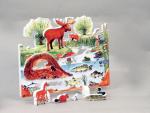
| | | Pond Habitat | | Code No.: BPE-H02 | | This teaching model is designed to introduce students to the pond or lake habitat. It illustrates the major factors that affect this biome, and introduces several typical inhabitants. It also covers a variety of adaptations that enable plants and animals to live in this environment.
| |
|
|
|
|
| | | Desert Habitat | | Code No.: BPE-H05 | | This teaching model is designed to introduce students to the desert habitat. It illustrates the major factors that affect this biome, and introduces several typical inhabitants. It also covers a variety of adaptations that enable plants and animals to live in this harsh environment.
| |
|
|
|
|
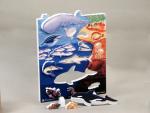
| | | Ocean Habitat | | Code No.: BPE-H01 | | This teaching model is designed to introduce students to the ocean habitat. It illustrates the major factors that affect this biome, and introduces several typical inhabitants. It also covers a variety of adaptations that enable plants and animals to live in this vast and challenging environment.
| |
|
|
|
|
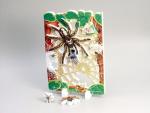
| | | Lifecycle of a Spider | | Code No.: BPE-S14 | | This teaching model is designed to introduce students to the "life and times" of the spider. It illustrates its role in the ecosystem and its unique methods of hunting and trapping prey.
| |
|
|
|
|
| | | Lifecycle of an Ant | | Code No.: BPE-S10 | | This teaching model is designed to introduce students to the "life and times" of the ant. It illustrates the major stages of the lifecycle and the ant's extensive social life.
| |
|
|
|
|
| | | Lifecycle of a Mealworm | | Code No.: BPE-S15 | | This teaching model is designed to introduce students to the "life and times" of the mealworm and illustrates the major stages of its lifecycle.
| |
|
|
|
|
| | | Lifecycle of a Ladybug | | Code No.: BPE-S19 | | This teaching model is designed to introduce students to the "life and times" of the ladybug and illustrates the major stages of its lifecycle.
| |
|
|
|
|
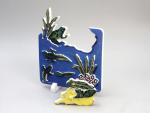
| | | Lifecycle of a Frog | | Code No.: BPE-S3 | | This teaching model is designed to introduce students to the "life and times" of the frog and illustrates the major stages of its lifecycle.
| |
|
|
|
|
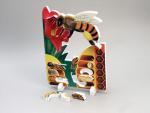
| | | Lifecycle of a Honey Bee | | Code No.: BPE-S12 | | This teaching model is designed to introduce students to the "life and times" of the honeybee. It illustrates the major stages of the lifecycle and the unique role that bees play in pollination as well as the bee's extensive social life.
| |
|
|
|
|
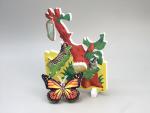
| | | Lifecycle of a Butterfly | | Code No.: BPE-S4 | | This teaching model is designed to introduce students to the "life and times" of the butterfly and illustrates the major stages of its lifecycle.
| |
|
|
|
|
| | | Lifecycle of a Chicken | | Code No.: BPE-S2 | | This teaching model is designed to introduce students to what happens inside a chicken's egg. It illustrates three major stages of the embryo's development and encourages students to explore how chicks change as they grow.
| |
|
|
|
|
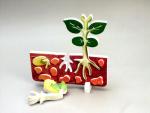
| | | From Seed to Plant | | Code No.: BPE-S1 | | This model shows the remarkable process by which a seed turns into a plant. Your student can learn more about plants by using the Roots model, in the Science series.
| |
|
|
|
|
| | | Food Pyramid | | Code No.: PE-S100 | | The Food Pyramid is an excellent teaching and learning tool towards educating students about nutrition and health in a hands-on manner. Students are able to remove food groups and piece them back together; thus, making concrete their knowledge of the food pyramid.
| |
|
|
|
|
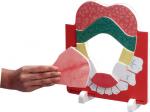
| | | Tongue | | Code No.: BPE-S36 | | Learn about the tongue and taste buds and how they interact with the other senses with this teaching model.
| |
|
|
|
|
| | | Apple Tree | | Code No.: BPE-S101 | | The Apple Tree is designed to illustrate the remarkable process as a seed matures into an apple tree. Each removable piece shows a major step in such a process.
| |
|
|
|
|
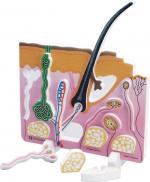
| | | Human Skin | | Code No.: BPE-S6 | | This Book Plus puzzle is designed to introduce students to the structure and function of human skin while encouraging them to explore how skin protects and serves their bodies. | |
|
|
|
|
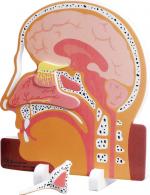
| | | Nose/Sinus | | Code No.: BPE-S37 | | With our five senses we sample our environment for information and our nose is an important information hub. This model will aid in the learning of the structure and function of the nose/sinus.
| |
|
|
|
|
| | | Eye | | Code No.: BPE-S33 | | Designed to introduce students to the structure and function of the eye while encouraging them to explore how the eye allows them to function in everyday life. | |
|
|
|
|
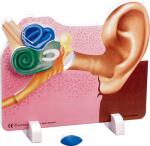
| | | Ear | | Code No.: BPE-S34 | | Sounds provide a wealth of information about the outside world. Learn how the sense organ responsible for hearing works using this teaching model. | |
|
|
|
|