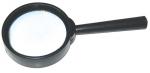
| | | Magnifying Glass ii. 9 cm diameter | | Code No.: 1036KP90 |  | General purpose magnifier. For magnifying objects or reading text. | | 
|
|
|
|
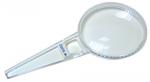
| | | Magnifying Glass i. 5 cm diameter | | Code No.: 1036KP50 | | General purpose magnifier. For magnifying objects or reading text. | |
|
|
|
|
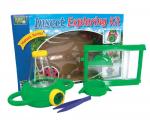
| | | Insect Exploring Kit | | Code No.: 1061 | | This comprehensive kit allows students to collect their specimens effectively and cleanly. After collection, students can then also examine and observe their specimens individually or even in an artificial habitat. This kit contains tweezers, a two-way bug viewer and an observatory.
| |
|
|
|
|
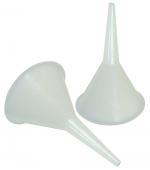
| | | Funnel | | Code No.: LAB-1 | | General purpose funnels suitable for many types of liquids. Safe and easy to clean.
| |
|
|
|
|
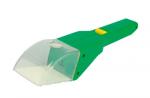
| | | Hand-held Bug Catcher | | Code No.: 1063 | | A hand-held live insect catch-and-release trapped. Simply place see-through bug chamber over an insect and pull the lever to catch anything that moves safely and humanely.
| |
|
|
|
|
| | | Frog Development | | Code No.: PS 04 | | The lifecycle of the common frog is illustrated by preserved specimens. It demonstrates the changing appearance of spawn until they mature.
| |
|
|
|
|
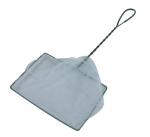
| | | Butterfly Net | | Code No.: 1065 | | A simple but effective means of catching insect samples.
| |
|
|
|
|
| | | Insects in Plastomount | | Code No.: PS 02 | | Twenty five insect specimens preserved in plastomount. Collection also includes specimens in various stages of growth. Durable plastic carrying case provided.
| |
|
|
|
|
| | | Insects in Plastomount | | Code No.: PS 03 | | Thirty insect specimens preserved individually in plastomount. Durable plastic carrying case provided.
| |
|
|
|
|
| | | Bestari Secondary One Science Charts | | Code No.: SS 014 | | The Bestari Science Charts completes the secondary science curriculum by combining usefulness with visual interest. Full-colour, eye-catching illustrations provide students and teachers alike with a more efficient way of reviewing or teaching key concepts.
| |
|
|
|
|
| | | Insects in Plastomount | | Code No.: PS 01 | | Sixteen insect specimens embedded in plastomount. Durable plastic carrying case provided.
| |
|
|
|
|
| | | Urinary System (male) | | Code No.: M3311 | | Life size. Frontal section through right kidney. Saggital section through bladder, penis and one testis. On stand with base. Size (cm) : 37x15x19. Teacher's guide included.
| |
|
|
|
|
| | | Biology Science e-Chart (Secondary 4) | | Code No.: CH 1 | | These highly durable, colourful and beautifully illustrated reference charts are guaranteed attention-getters. They not only highlight key topics but also reinforce them through the provision of internet links! Great for classroom or science lab use.
| |
|
|
|
|
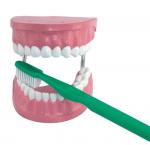
| | | Teeth Model and Tooth Brush | | Code No.: PS 038 | | Demonstrates the correct way to brush teeth and gums with this model. Includes a giant-size nylon bristle toothbrush. Model measures 6 inches from molar to molar. Teacher's guide included. | |
|
|
|
|
| | | Urinary System (female) | | Code No.: M3312 | | Life size. Frontal section through right kidney. Sections through bladder, uterus, ovary and one side fallopian tube. On stand with base. Size (cm) : 35x21x13. Teacher's guide included.
| |
|
|
|
|
| | | PVC Human Pulmonary Alveoli | | Code No.: MALV | | Greatly enlarged. Depicts the small branches of the principal bronchus and structure of alveolar sac and alveolar duct. On base. Size (cm) 21x15x23
| |
|
|
|
|
| | | PVC Respiratory Model | | Code No.: MRES | | 3/4 life size. Depicts entire respiratory system from mouth and nasal cavity including larynx, trachea and bronchial tree inside the lung. On base.
| |
|
|
|
|
| | | Protein Structure | | Code No.: MPRO | | This model is designed for building a representation of a short segment of double stranded DNA. All pieces are plastic and identified with different colours. Pieces can be separated for reassembly. Completed model is in the shape of a double helix about 685mm high. Contains 10 pairs of nucleotides. Mounted on plastic base. Size (cm) : 23x22x68.5. Teacher's guide included.
| |
|
|
|
|
| | | PVC Human Brain Stem | | Code No.: MBST | | About 3 times life size. The base segment of the 12 pairs of brain nerves are shown in yellow. Size (cm) : 27x20x14
| |
|
|
|
|
| | | Mitosis Set | | Code No.: MMIT | | Includes two sets illustrating the stages in animal and plant cell mitosis. Each set contains six relief models showing the different stages of the process. On stand with base. Size (cm) : 64x44x25. Teacher's guide included.
| |
|
|
|
|
| | | Larynx, Lung and Heart Model | | Code No.: M1223 | | This 4 piece model depicts the viscera of the thorax : right and left lung, 2-piece heart and larynx. One half natural size. On base. Size (cm) : 33x22.5x14. Teacher's guide included.
| |
|
|
|
|
| | | Male Reproduction System | | Code No.: M1251 | | Life size with a median section. Both internal and external sexual organs are clearly shown. On base. Teacher's guide included.
| |
|
|
|
|
| | | Human Teeth | | Code No.: MTEE | | Shows the inner structures of the incisor tooth, canine tooth and molar tooth. Teacher's guide included.
| |
|
|
|
|
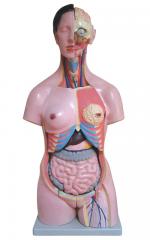
| | | Human Torso | | Code No.: MTOR | | Dissectible into 18 parts. Lungs, heart, stomach, liver and intestines. Head is detachable and separates into two parts. Right side of brain is removable. On base. Size (cm) : 102x33x22.Teacher's guide included.
| |
|
|
|
|
| | | Human Skin | | Code No.: MSKI | | Details enlarged. Shows hair follicles, sweat glands, sense organs and other key features. Size (cm) : 27x26x6. Teacher's guide included.
| |
|
|
|
|
| | | Human Stomach | | Code No.: MSTO | | About two times life size. Dissectible into three parts. Shows the sectioned features of the stomach wall, longitudal and circular muscle layers and blood supply. Teacher's guide included.
| |
|
|
|
|
| | | Human Kidney | | Code No.: M1126 | | About 3 times life size. Frontal section shows the internal structure in detail. On stand with base. Teacher's guide included.
| |
|
|
|
|
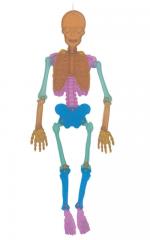
| | | Human Skeleton | | Code No.: HS 2002 | | For the effective study of the human skeleton. This colourful PP plastic skeleton is movable at the wrists, knees, elbows and so on to demonstrate the joints. Skeleton can be folded flat for easy storage. | |
|
|
|
|
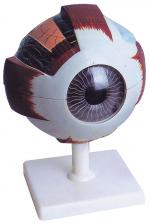
| | | Human Eye | | Code No.: MEYE | | Enlarged. About 6 times life size. Comes with a horizontal section of the eyeball wall. Sclerotic membrane, choroids membrane, lens and vitreous humor are removable. Blood supply and the origins of the muscle which controls eyeball movement are also shown. Six parts, On stand with base. Size (cm) : 17x17x30. Teacher's guide included.
| |
|
|
|
|
| | | Human Heart | | Code No.: M3304 | | About 5 times life size. Dissectable into 3 parts. Important external and internal structures are clearly shown. On stand with base. Size (cm) : 25x22x18. Teacher's guide included.
| |
|
|
|
|
| | | Human Ear | | Code No.: MEAR | | About 5 times life size. The tympanic membrane, ossicles, semicircular canals and cochlea are removable. On base. Teacher's guide included.
| |
|
|
|
|
| | | Female Reproduction System | | Code No.: M1252 | | Life size with median section. Both internal and external sexual organs are clearly shown. On base. Teacher's guide included.
| |
|
|
|
|
| | | Human Brain | | Code No.: MBRA | | Life size. Dissectable into 5 parts. Size (cm) : 17x17x13. Teacher's guide included.
| |
|
|
|
|
| | | Cross Section of Dicot Leaf | | Code No.: M3206 | | Depicts the typical structures of a dicot leaf. Size (cm) : 42x13x41. Teacher's guide included.
| |
|
|
|
|
| | | The Virus | | Code No.: MPV07 | | This teaching model is designed to introduce students to the structure of the virus. It illustrates major features and has removable components that make lessons challenging and fun. The model comes with a thorough, detailed teacher's guide which includes 5 inquiry-based lab activities, reproducible worksheets, complete background information, cross-curricular extension activities, assessment ideas and more. Topics covered include virus structure and life cycle, disease and more.
| |
|
|
|
|
| | | Cross Section of a Root | | Code No.: M3202 | | This model can be used as a visual teaching aid in middle school biological lessons. Structural features can be seen clearly. Made of plastic and mounted on plastic base. Size (cm) : 62x18x10. Teacher's guide included.
| |
|
|
|
|
| | | The Plant Cell | | Code No.: MPPC03 | | This teaching model is designed to introduce students to the structure and life cycle of the plant cell. It illustrates all of the cell's major organelles, with removable components that make lessons challenging and fun. The model comes with a thorough, detailed teacher's guide which includes 5 inquiry-based lab activities, reproducible worksheets, complete background information, cross-curricular extension activities, assessment ideas and more. Topics covered include cell structure and function, osmosis, photosynthesis, pigment and more.
| |
|
|
|
|
| | | The Neuron | | Code No.: MPN015 | | This teaching model is designed to introduce students to the structure of the neuron. It illustrates major features and has removable components that make lessons challenging and fun. The model comes with a thorough, detailed teacher's guide which includes 5 inquiry-based lab activities, reproducible worksheets, complete background information, cross-curricular extension activities, assessment ideas and more.
| |
|
|
|
|
| | | The Paramecium | | Code No.: MPP05 | | Micro-life underpins the whole miraculous structure of life on Earth. This teaching model is designed to introduce students to the structure and life cycle of the paramecium. It illustrates all of the protozoa's major organelles, with removable components that make lessons challenging and fun. The model comes with a thorough, detailed teacher's guide which includes 5 inquiry-based lab activities, reproducible worksheets, complete background information, cross-curricular extension activities, assessment ideas and more. Topics covered includeprotozoa habitat, structure and function of major organelles and so on.
| |
|
|
|
|
| | | The Euglena | | Code No.: MPE12 | | This teaching model is designed to introduce students to the structure and life cycle of the euglena. It illustrates all major organelles and has removable components that make lessons challenging and fun. The model comes with a thorough, detailed teacher's guide which includes 5 inquiry-based lab activities, reproducible worksheets, complete background information, cross-curricular extension activities, assessment ideas and more.
| |
|
|
|
|
| | | The Flower | | Code No.: MPF01 | | This colourful teaching model was designed specifically for hands-on use with students of all ages. The model is made of resilient, non-toxic EVA foam. Removable pieces stimulate problem-solving skills and develop small motor skills. The detailed teacher's guide includes complete background information, reproducible worksheets, cross-curricular extension activities, assessment ideas and more.
| |
|
|
|
|
| | | The Atom | | Code No.: MPA06 | | This teaching model is designed to introduce students to the structure of the atom. When one takes quantum theory into account, it is clear that the known Bohr model of the atom is over-simplified. Current depictions of the atom, such as this model, therefore show electron orbits not as neat ellipses, but rather as having the appearance of a fuzzy "electron cloud". This up-to-date model will illustrate to students the latest in scientific discovery and has removable components that make lessons challenging and fun. The model comes with a thorough, detailed teacher's guide which includes 5 inquiry-based lab activities, reproducible worksheets, complete background information, cross-curricular extension activities, assessment ideas and more. Topics covered include atomic structure and function, atom and chemistry and more.
| |
|
|
|
|
| | | The Animal Cell | | Code No.: MPA 02 | | This teaching model is designed to introduce students to the structure and life cycle of the animal cell. It illustrates all of the cell's major organelles, with removable components that make lessons challenging and fun. The model comes with a thorough, detailed teacher's guide which includes 5 inquiry-based lab activities, reproducible worksheets, complete background information, cross-curricular extension activities, assessment ideas and more. Topics covered include cell structure and function, osmosis, eukaryotes, bacteria and more.
| |
|
|
|
|
| | | DNA | | Code No.: MPD14 | | This teaching model is designed to introduce students to the structure of the DNA. The unique plastic form allows students to assemble the model into a double helix - removable components that make lessons challenging and fun. The model comes with a thorough, detailed teacher's guide which includes 5 inquiry-based lab activities, reproducible worksheets, complete background information, cross-curricular extension activities, assessment ideas and more.
| |
|
|
|
|
| | | Amoeba | | Code No.: MPA10 | | This teaching model is designed to introduce students to the structure and life cycle of the amoeba. It illustrates all major organelles and has removable components that make lessons challenging and fun. The model comes with a thorough, detailed teacher's guide which includes 5 inquiry-based lab activities, reproducible worksheets, complete background information, cross-curricular extension activities, assessment ideas and more.
| |
|
|
|
|
| | | Chloroplast | | Code No.: MPC11 | | This teaching model is designed to introduce students to the structure of the chloroplast. It illustrates all major features and has removable components that make lessons challenging and fun. The model comes with a thorough, detailed teacher's guide which includes 5 inquiry-based lab activities, reproducible worksheets, complete background information, cross-curricular extension activities, assessment ideas and more.
| |
|
|
|
|
| | | Urban Habitat | | Code No.: BPE-H06 | | This teaching model is designed to introduce students to the habitat of the North American urban environment. It illustrates the major factors that affect this biome, and introduces several typical inhabitants. It also covers a variety of adaptations that enable plants and animals to live in this challenging environment.
| |
|
|
|
|
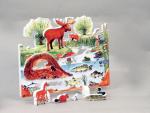
| | | Pond Habitat | | Code No.: BPE-H02 | | This teaching model is designed to introduce students to the pond or lake habitat. It illustrates the major factors that affect this biome, and introduces several typical inhabitants. It also covers a variety of adaptations that enable plants and animals to live in this environment.
| |
|
|
|
|
| | | Desert Habitat | | Code No.: BPE-H05 | | This teaching model is designed to introduce students to the desert habitat. It illustrates the major factors that affect this biome, and introduces several typical inhabitants. It also covers a variety of adaptations that enable plants and animals to live in this harsh environment.
| |
|
|
|
|
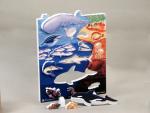
| | | Ocean Habitat | | Code No.: BPE-H01 | | This teaching model is designed to introduce students to the ocean habitat. It illustrates the major factors that affect this biome, and introduces several typical inhabitants. It also covers a variety of adaptations that enable plants and animals to live in this vast and challenging environment.
| |
|
|
|
|